
Description
Cotton Seeds
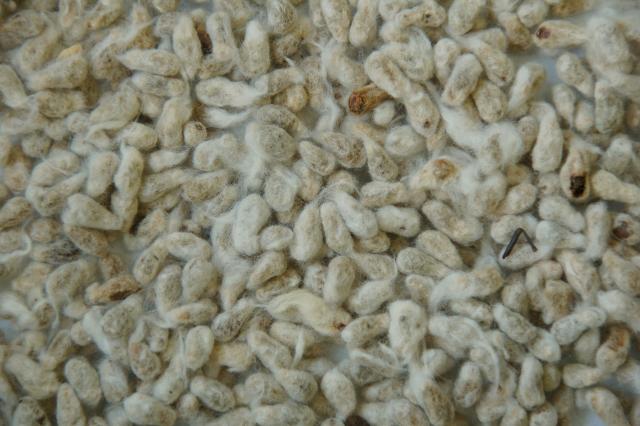
Cotton seeds are the mature seeds derived from the cotton plant (Gossypium spp.), primarily cultivated for both agricultural propagation and industrial byproducts. They are typically obtained after cotton fibers are ginned from harvested bolls.
Key Characteristics
- Appearance: Small, oval seeds usually covered with short fuzz (linters) after ginning
- Color: Brown to black depending on variety and processing stage
- Texture: Hard outer shell protecting a nutrient-rich kernel
- Oil Content: Approximately 15–25% in whole seeds (higher in processed kernels)
Primary Uses
- Agricultural propagation:
Used as planting material to grow new cotton crops in commercial farming. - Cottonseed oil production:
Crushed seeds yield cottonseed oil, widely used in cooking oils, margarine, and processed foods after refining. - Animal feed:
The leftover meal after oil extraction is a high-protein livestock feed (cattle, poultry, and aquaculture). - Industrial applications:
Used in soap making, cosmetics, and biodiesel production.
Varieties
- Delinted seeds: Cleaned to remove fuzz for precision planting
- Genetically improved hybrids: Higher yield, pest resistance, and fiber quality
- Conventional varieties: Open-pollinated strains used in traditional farming systems
Storage & Handling
- Store in cool, dry conditions to maintain germination viability
- Sensitive to moisture and pests if improperly stored
- Often treated with fungicides or insecticides before planting
Agricultural Importance
Cotton seeds are a critical input in global textile production, as they directly determine crop yield, fiber quality, and farm profitability.

Reviews
There are no reviews yet.